
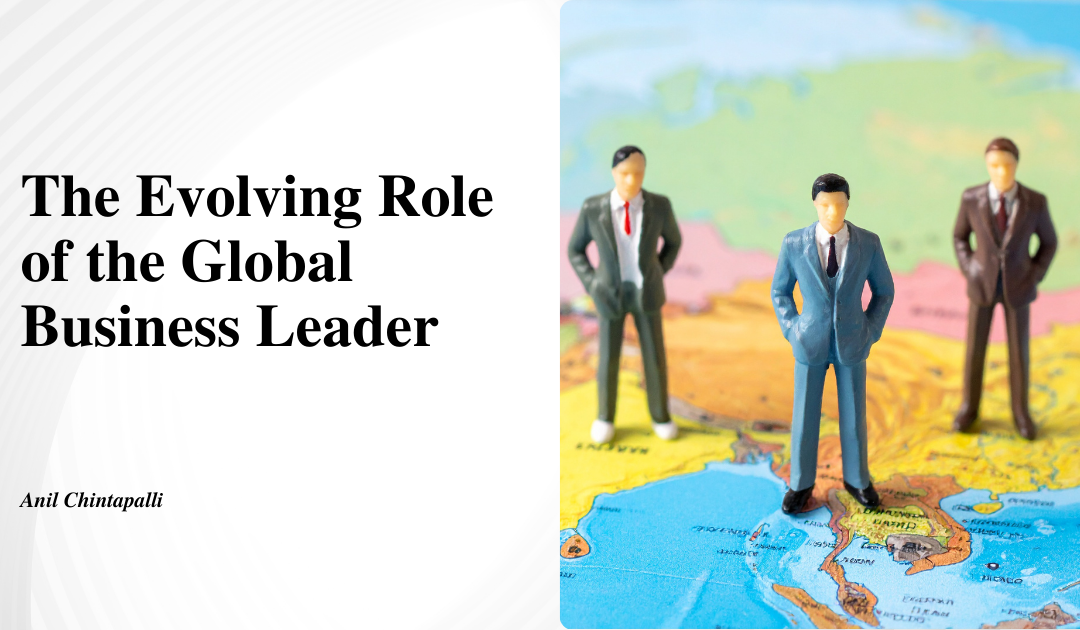
The role of the global business leader has changed dramatically over the past decade. Rapid technological advancement, geopolitical uncertainty, shifting workforce expectations, and increased stakeholder scrutiny have expanded leadership responsibilities beyond traditional management.
Today’s global leaders are expected to be strategists, operators, communicators, and stewards of long-term value—all at once. Navigating this evolving role requires new skills, mindsets, and priorities.
From Command-and-Control to Context and Clarity
In the past, global leadership often emphasized control—centralized decision-making, rigid hierarchies, and standardized processes. While control still matters in certain areas, it is no longer sufficient in a fast-changing world.
Modern global leaders focus on providing context rather than directives. They articulate clear goals, boundaries, and principles, enabling teams to make informed decisions locally. This shift increases speed, responsiveness, and ownership across the organization.
Clarity is especially important in uncertain environments. When leaders consistently communicate priorities and expectations, they reduce ambiguity and empower teams to act with confidence, even in complex situations.
Balancing Short-Term Performance and Long-Term Value
Global leaders face constant pressure to deliver short-term results while investing in long-term capabilities. This tension has intensified as markets react quickly to earnings, headlines, and external shocks.
Effective leaders manage this balance deliberately. They protect investments in people, technology, and innovation, even when short-term pressures tempt organizations to cut back. At the same time, they maintain financial discipline and accountability.
By clearly linking long-term initiatives to business outcomes, leaders build stakeholder confidence and sustain support. Long-term value creation becomes a strategic choice rather than an abstract aspiration.
Leading with Responsibility and Perspective
The scope of leadership responsibility has expanded beyond shareholders to include employees, customers, communities, and governments. Global leaders are increasingly expected to address issues such as sustainability, ethics, and social impact.
Meeting these expectations requires perspective. Leaders must understand the broader implications of business decisions and navigate competing stakeholder interests thoughtfully. Transparency, consistency, and integrity are essential in building trust.
Ultimately, the evolving role of the global business leader is defined by adaptability. Those who continue to learn, listen, and evolve are best positioned to lead organizations through complexity while creating enduring value.